

Is Mesothelioma a Lung Cancer?
Mesothelioma may begin in the tissues that surround every lung (the pleura) or, in a less frequent manner in the lining of the stomach (peritoneum). The disease is usually in its last stages and symptoms can take as long as 50 years to manifest.
Doctors make use of biopsies and imaging tests to diagnose mesothelioma. Treatment plans usually include surgery, chemotherapy, and/or radiotherapy.
Pleural mesothelioma
The lining of the lung is often affected by mesothelioma of the pleural region. It is the most frequent mesothelioma type and patients tend to have better outcomes than those diagnosed with other types of mesothelioma like mesothelioma of the pericardial region or peritoneal.
If a patient complains of breathing problems, like coughing or shortness in breath, doctors may suspect the presence of pleural asbestosis. They order a series tests to confirm the diagnosis, such as x-rays CT scans, MRIs and blood work, as well a biopsy. To take a biopsy, doctors insert a thin, lighted tube known as a thoracoscope between two ribs in the chest.
Mesothelioma symptoms may be akin to other diseases, making it difficult to recognize the disease early. Some people may experience no symptoms at all, and if they do, the early symptoms are often dismissed as pneumonia or other less serious illnesses. A mesothelioma expert or mesothelioma centre is the best place to go to get a precise diagnosis. Specialists in mesothelioma have more experience and are able to recognize signs more easily.
Once a mesothelioma diagnosis is established, doctors will design the best treatment options for each patient. They will take into consideration the stage of mesothelioma as well as the kind of cancer cells and where they are. Patients with pleural mesothelioma in an earlier stage usually have a better chance of survival when compared to patients with mesothelioma in later stages. This is due to the fact that the cancerous cells are localized.
Patients with pleural msothelioma could benefit from surgery, chemotherapy and radiation. The palliative care option is also recommended to help ease symptoms and improve quality of life.
While mesothelioma can't be cured but it is treatable to extend the time that a person is alive. It is crucial to seek treatment for all forms of mesothelioma as quickly as possible to allow doctors to develop a treatment strategy.
Peritoneal Mesothelioma
A person who is diagnosed with peritoneal mesothelioma is suffering from cancer that is located in the lining of the abdomen or the chest cavity. Like pleural cancer symptoms include fluid buildup, breathing difficulties, and discomfort. People may also experience nausea and vomiting. A doctor might also suggest palliative treatment in addition to surgery and chemotherapy to ease symptoms and improve the quality of life.
Doctors diagnose peritoneal Mesothelioma by using imaging scans of chest and abdomen. A biopsy may be required to confirm the diagnosis. In a biopsy, doctors remove tiny pieces of tissue or liquid from the tumor to study under the microscope.
The most common symptoms of peritoneal cancer are abdominal pain. It can be asymptomatic or dispersed. Other signs can include a persistent cough that doesn't disappear, weight loss and fever. The prognosis of a mesothelioma patient is based on a variety of factors, including the type of cancer and the stage of the disease. A person's sex can also affect their prognosis. Women and people born female have better outcomes from peritoneal msothelioma as compared to males and those born male.
Mesothelioma is caused due to changes (mutations) in the DNA of a cell. The mutation causes cells to grow uncontrollably. The cancerous cells may then form a tumor, or collection abnormal cells.
Most people with mesothelioma work in professions that require exposure to asbestos. Asbestos is a material that was once employed in plumbing, construction electrical work, and the auto industry. Asbestos exposure can cause mesothelioma.
Malignant mesothelioma is often difficult to treat if it is advanced. Doctors may recommend surgery, chemotherapy or radiation therapy to treat mesothelioma. These treatments are designed to allow the cancerous cells to be destroyed without harming healthy cells. They can be used together to give patients a greater chance of a cure. Doctors will determine what treatment is most appropriate based on the patient's cancer stage and general health, as well as personal preferences. They may also recommend promising new therapies to treat mesothelioma.
Extrapleural pneumonectomy (EPP)
Pleural mesothelioma patients healthy enough to undergo surgery can benefit from mesothelioma surgery known as extrapleural pneumonectomy. During this procedure, doctors remove the lungs affected by the disease as well as part of the mesothelioma lining surrounding it. In mesothelioma colon cancer may also remove the pericardium and diaphragm. This is among the most effective mesothelioma treatments. EPP is done by specialized mesothelioma surgeons at mesothelioma centers across the United States.
Mesothelioma specialists typically perform a number of tests to determine whether patients are ready for surgery. PET and CT scans, as well as mediastinoscopy are some of the tests that can be carried out. These tests help doctors see the tumors and how far they've spread. If mesothelioma has gotten enough to warrant surgery, doctors will use chemotherapy to shrink or stop the growth of tumors.
The goal of mesothelioma therapies is to extend life expectancies and improve quality of living. Mesothelioma is a disease that can be a lengthy delay and is difficult to detect in the early stages. Many patients are already exhibiting symptoms before they are diagnosed.
Doctors recommend that patients receive multiple treatment options in a multimodal approach. The reason for this is because mesothelioma treatment on its own is not effective. Combining treatments maximizes their effects. Radiation therapy, for instance, can reduce the size of mesothelioma prior to surgery. This makes it easier to eliminate. Doctors have even tried using a high dose of radiation prior to EPP (known as SMART) and this has extended the lives of mesothelioma patients.
EPP is a complex mesothelioma surgery procedure that requires general anesthesia. After the anesthesia has taken effect the surgeon will create either an sternotomy of 9 inches (front of the chest) or an elongated thoracotomy of 10 inches (front of chest). The surgeon will separate the chest wall from the lungs and other organs.
This is a potentially risky procedure and only mesothelioma patients who are in good health and physically fit can undergo it. After the procedure, patients are expected to spend several weeks in the hospital. They will then need to recuperate at home or a rehabilitation center.
Trimodality therapy
Three common treatments are available for mesothelioma - surgery, radiation therapy and chemotherapy. Doctors also may make use of a combination of these (called multimodality therapy). The type of mesothelioma and the extent of its spread determines the treatment options the patients have.
The first step in treating mesothelioma is to obtain an accurate diagnosis from an expert in mesothelioma. It can be difficult for doctors to diagnose mesothelioma since cancer cells may appear like normal cells. A doctor will usually test the samples of tissue or fluid for mesothelioma tumor cells to confirm the diagnosis. Doctors also use the patient's medical history to determine if mesothelioma was the most likely cause.
Coughing, chest discomfort and difficulty breathing are some of the symptoms of mesothelioma. Doctors may order an X scan or CT scan to look for abnormal thickening in the lung's lining, calcium deposits, and fluid buildup. Doctors may also conduct a biopsy, in which they remove a small sample of the tumor or its surrounding tissues to test.
Other imaging tests that doctors commonly utilize to determine how advanced mesothelioma is include Postron emission tomography (PET) and magnetic resonance imaging (MRI). These tests involve taking pictures of the body using powerful magnets and radio waves. These tests show that the mesothelioma cancer cells absorb radioactive atoms and appear brighter than healthy cells.
If mesothelioma is located in the pleura of the body, doctors could perform a surgical procedure to stop it from spreading. This could be an extrapleural pneumonectomy, an operation that is more intense and involves removing a part of the diaphragm, as well as the lung that is affected, or a pleurectomy with décortication (P/D). These surgeries are usually performed in conjunction with other treatments for mesothelioma like chemotherapy or radiation.
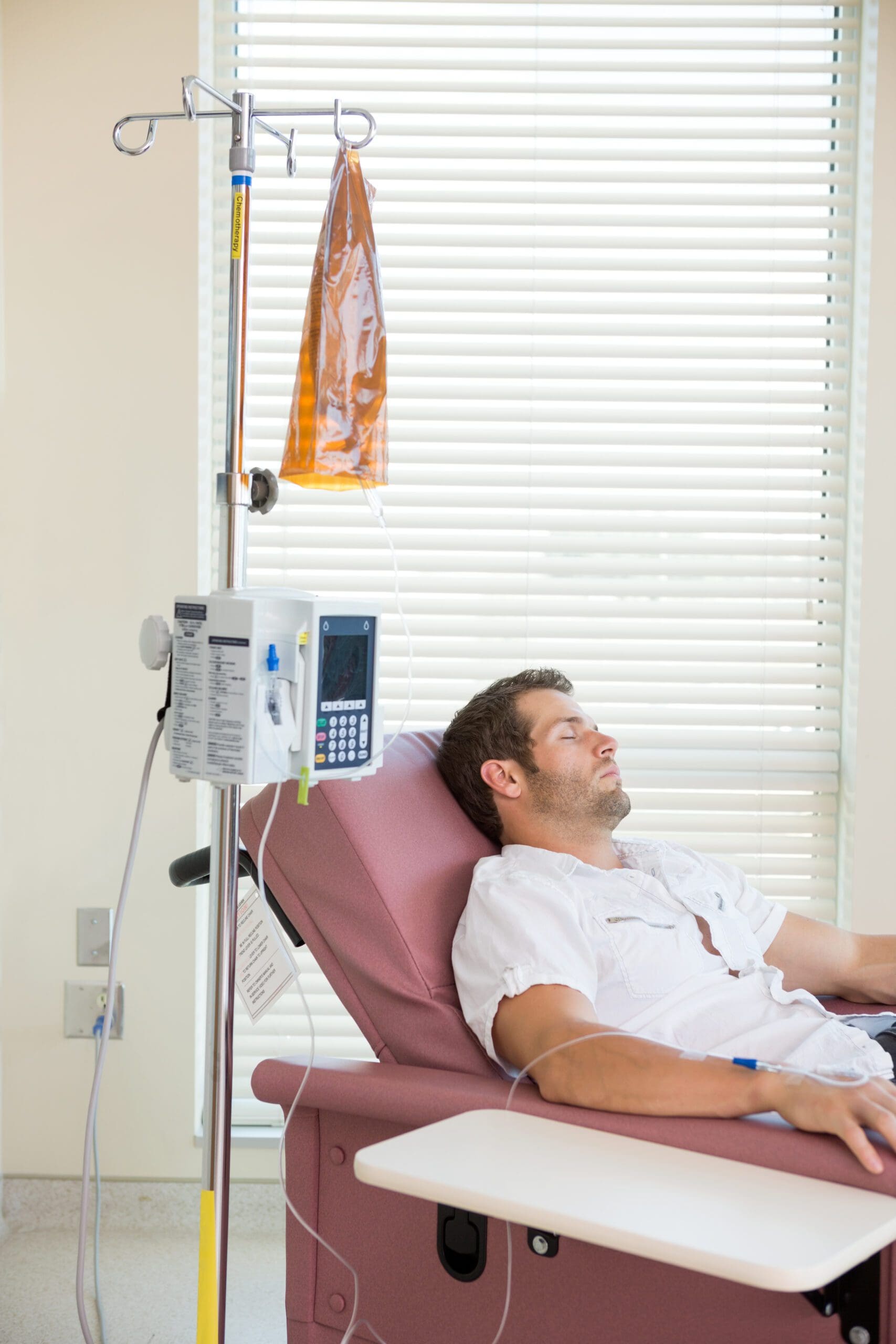
Chemotherapy involves the use of drugs that kill cancerous cells while improving the patient's life quality. Pemetrexed is a chemotherapy drug used to treat pleural mesothelioma can be administered as a single drug or in combination with cisplatin and carboplatin. For peritoneal cancers chemotherapy is typically administered intravenously. Patients may receive a single session of chemotherapy or several sessions, on Monday through Friday for 4-7 weeks as an outpatient.